Introduction
In today’s high-risk and data-driven environments, visibility is everything. Whether it’s security monitoring, industrial inspection, or emergency response, professionals need reliable imaging solutions that perform beyond limitations.
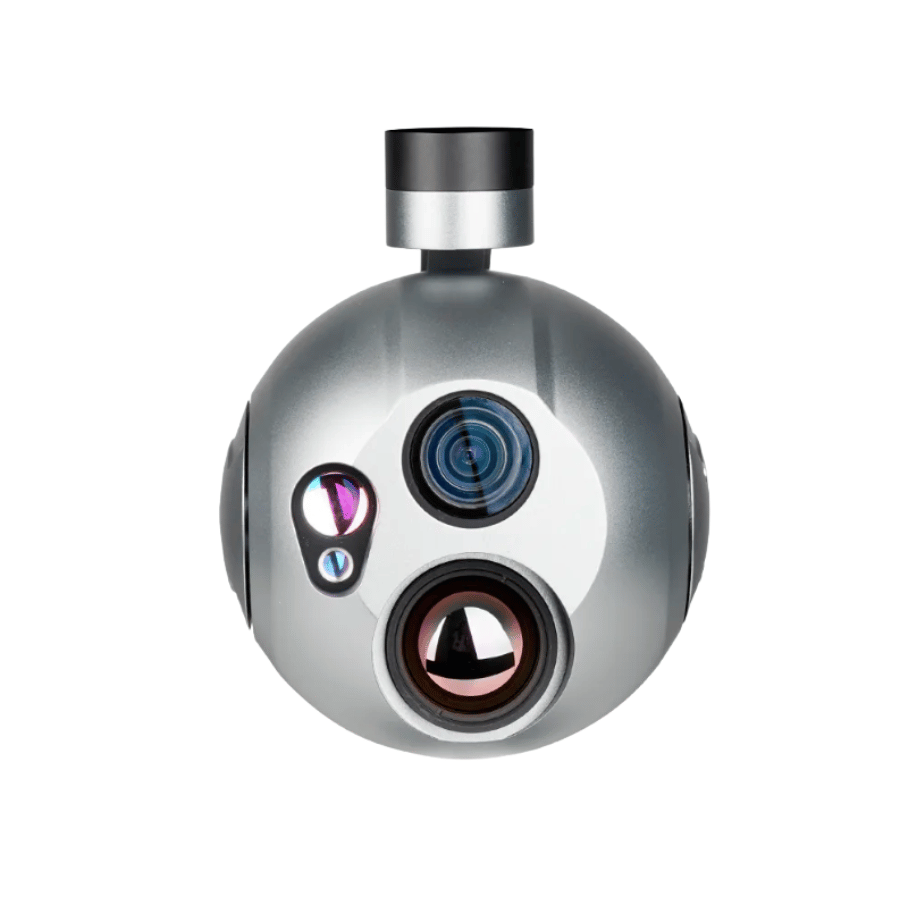
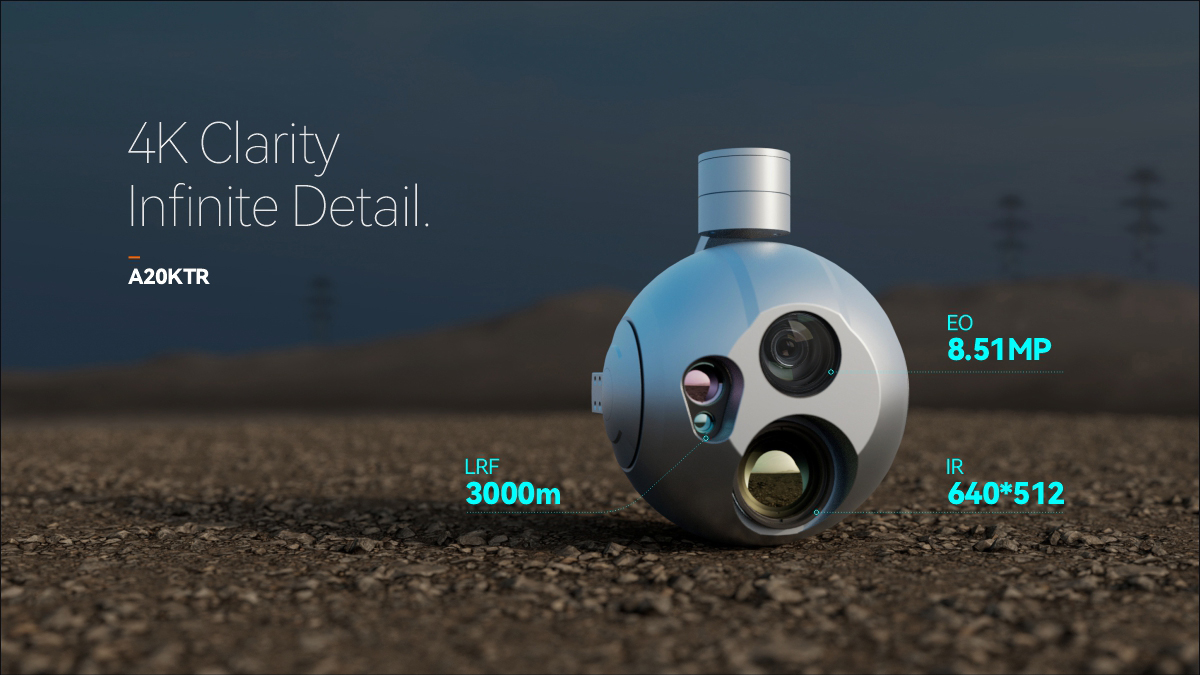
The A20KTR thermal camera is built to redefine how organizations approach surveillance and inspection—delivering clarity, precision, and real-time intelligence when it matters most.
Why Thermal Imaging is Essential in 2026
Traditional cameras depend on visible light, making them ineffective in low-light or harsh conditions. Thermal imaging, however, detects heat signatures—enabling accurate monitoring regardless of lighting or weather.
This makes thermal cameras a critical asset for:
- Security & surveillance operations
- Industrial inspections
- Infrastructure monitoring
- Search & rescue missions
Organizations adopting thermal imaging technology gain a significant edge in efficiency, safety, and response time.
A20KTR Thermal Camera: A Game-Changer
The A20KTR thermal camera stands out as a next-generation solution designed for professionals who demand precision and reliability.
It empowers teams to:
- Detect anomalies faster
- Monitor large areas efficiently
- Improve decision-making with real-time insights
- Operate seamlessly in challenging environments
From urban security to remote inspections, this system ensures consistent performance across all scenarios.
Applications Across Industries
Security & Surveillance
Enhance perimeter monitoring and threat detection with advanced imaging that works day and night.
Industrial Inspection
Identify faults, overheating components, and structural issues before they become critical.
Energy & Utilities
Monitor power lines, solar farms, and equipment for preventive maintenance and risk reduction.
Drone & UAV Operations
Integrate with aerial platforms to expand coverage and improve operational efficiency.
Emergency Response
Support rescue teams with real-time visibility in smoke, darkness, or disaster zones.
Key Benefits of Advanced Thermal Cameras
- Improved situational awareness
- Faster and smarter decision-making
- Reduced operational risks
- Increased efficiency and productivity
- Reliable performance in all environments
Investing in advanced thermal imaging is not just about technology — it’s about gaining control, clarity, and confidence in critical operations.
How to Choose the Right Thermal Camera
When selecting a thermal imaging solution, consider:
- Image clarity and detection capability
- Stability and performance
- Real-time data accessibility
- Integration with existing systems
- Reliability in extreme conditions
The right solution should align with your operational needs while delivering long-term value.
Future of Surveillance & Inspection
The demand for smart surveillance systems and AI-powered inspection tools is rapidly increasing. As industries move toward automation and data-driven operations, thermal imaging will continue to play a vital role.
Solutions like the A20KTR Thermal Camera are at the forefront of this transformation—enabling organizations to stay ahead in an increasingly competitive landscape.
Conclusion
The ability to see beyond the visible spectrum is no longer optional — it’s essential.
The A20KTR Thermal Camera empowers businesses and professionals with advanced imaging capabilities that enhance safety, efficiency, and decision-making.
Enquire Now to explore how this solution can transform your operations.
Frequently Asked Questions (FAQs)
1. What is a thermal imaging camera?
A thermal imaging camera detects heat signatures instead of visible light, allowing users to see in darkness, smoke, fog, or harsh environmental conditions.
2. How does a thermal camera help in surveillance?
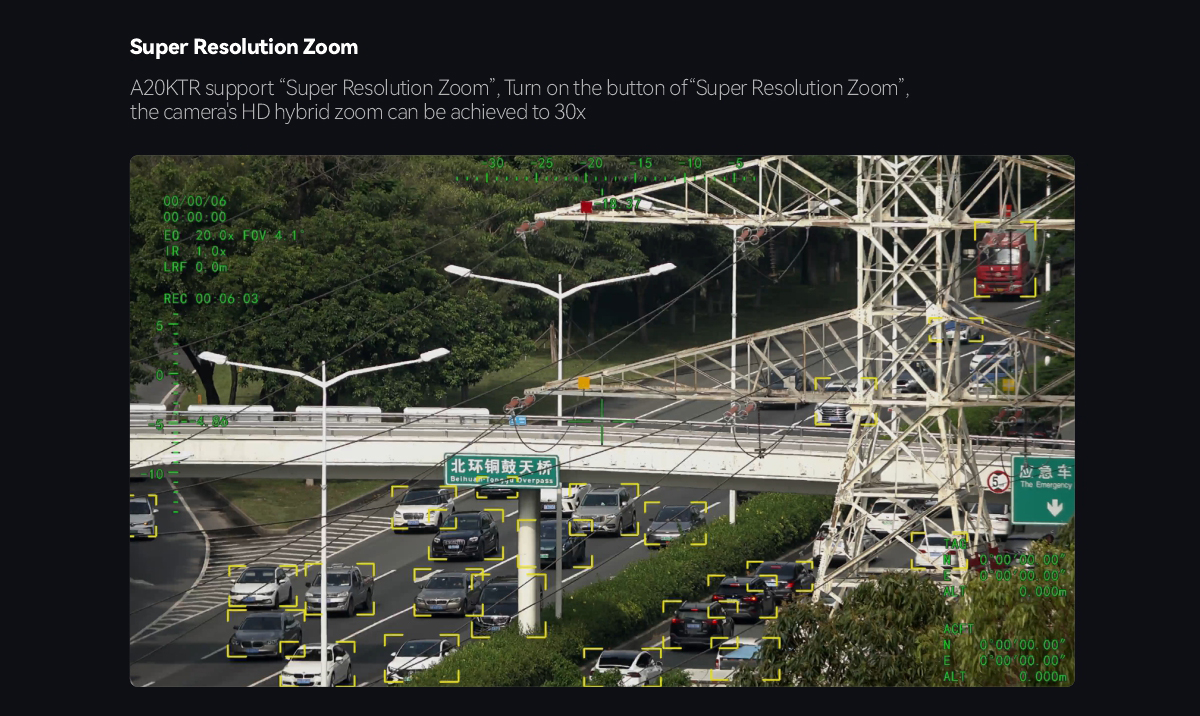
Thermal cameras improve surveillance by identifying people, vehicles, or objects based on heat, making them highly effective for night monitoring and low-visibility environments.
3. Where can thermal cameras be used?
Thermal cameras are widely used in security, industrial inspection, energy monitoring, construction, search and rescue, and drone-based aerial surveillance.
4. Why is thermal imaging better than regular cameras?
Unlike standard cameras, thermal imaging works without light and can detect hidden issues such as overheating equipment, intrusions, or structural faults.
5. Can thermal cameras work during the day?
Yes, thermal cameras work both day and night since they rely on heat detection rather than visible light.
6. What industries benefit most from thermal imaging?
Industries such as defense, infrastructure, oil & gas, construction, public safety, and utilities benefit significantly from thermal imaging technology.
7. Is thermal imaging useful for drone operations?
Yes, thermal cameras integrated with drones enhance aerial surveillance, inspection, and monitoring by covering large areas quickly and efficiently.
8. How do thermal cameras improve safety?
They help detect risks early—such as overheating machinery, hidden faults, or unauthorized intrusions—reducing accidents and operational downtime.
9. What should I consider before buying a thermal camera?
Key factors include image clarity, detection capability, reliability, real-time performance, and compatibility with your operational requirements.
10. Is the A20KTR Thermal Camera suitable for professional use?
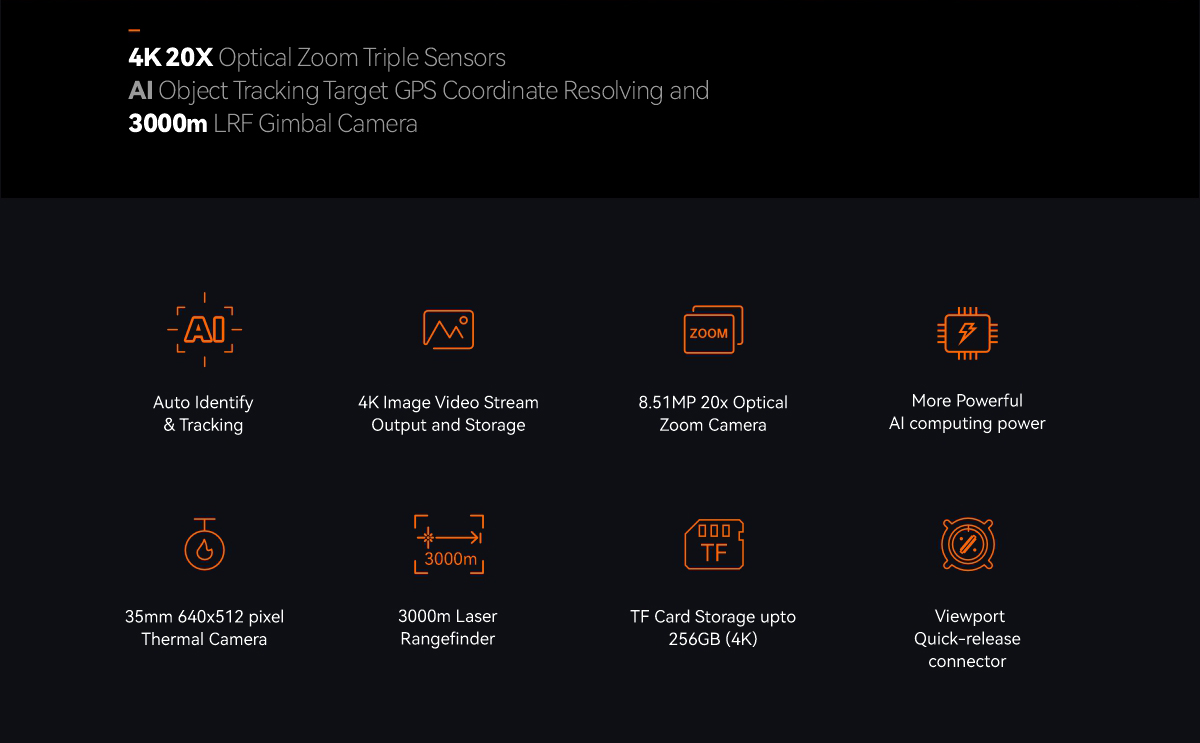
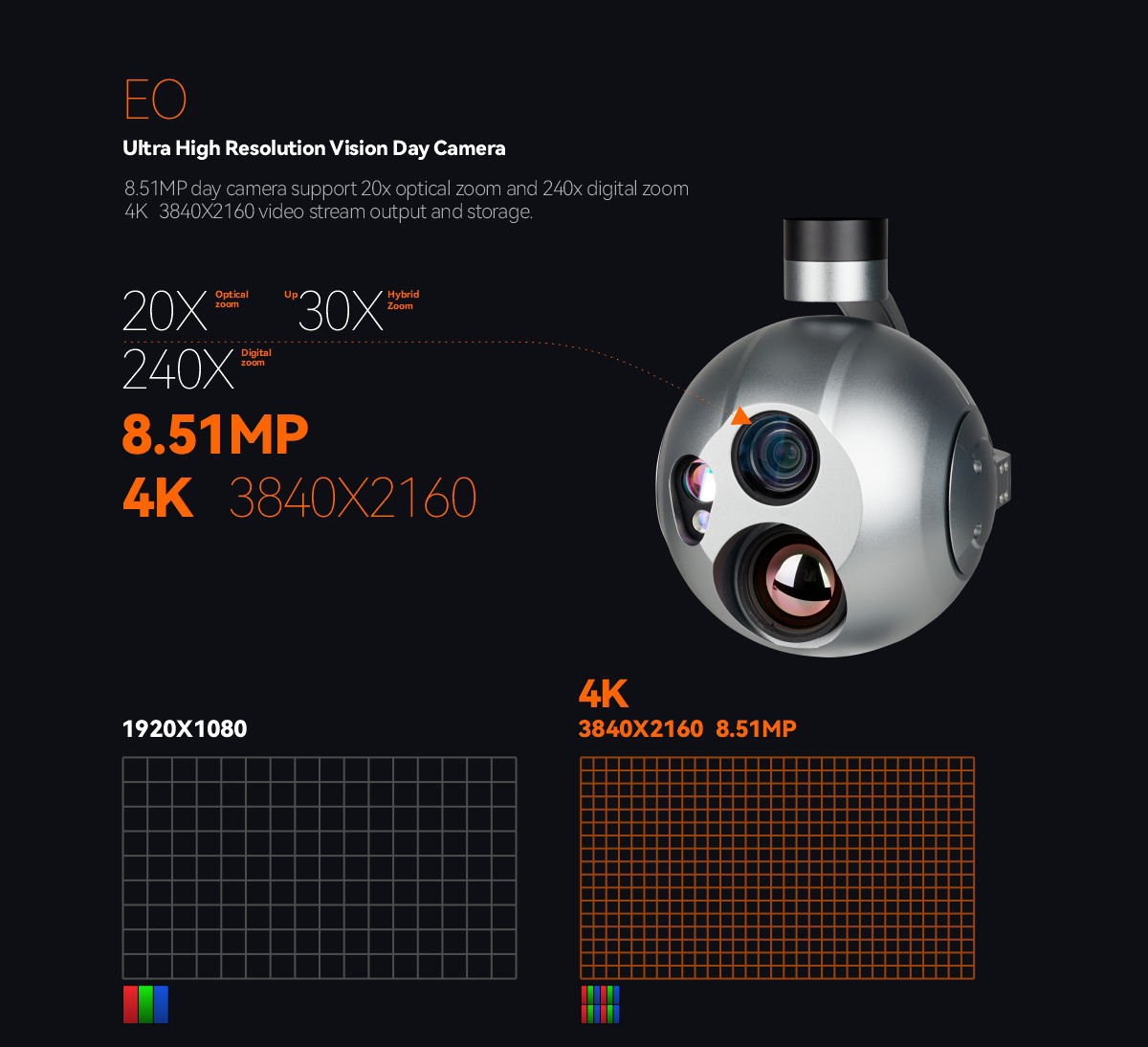
Yes, the A20KTR thermal camera is designed for professional applications such as surveillance, inspection, and mission-critical operations requiring high accuracy and reliability.