


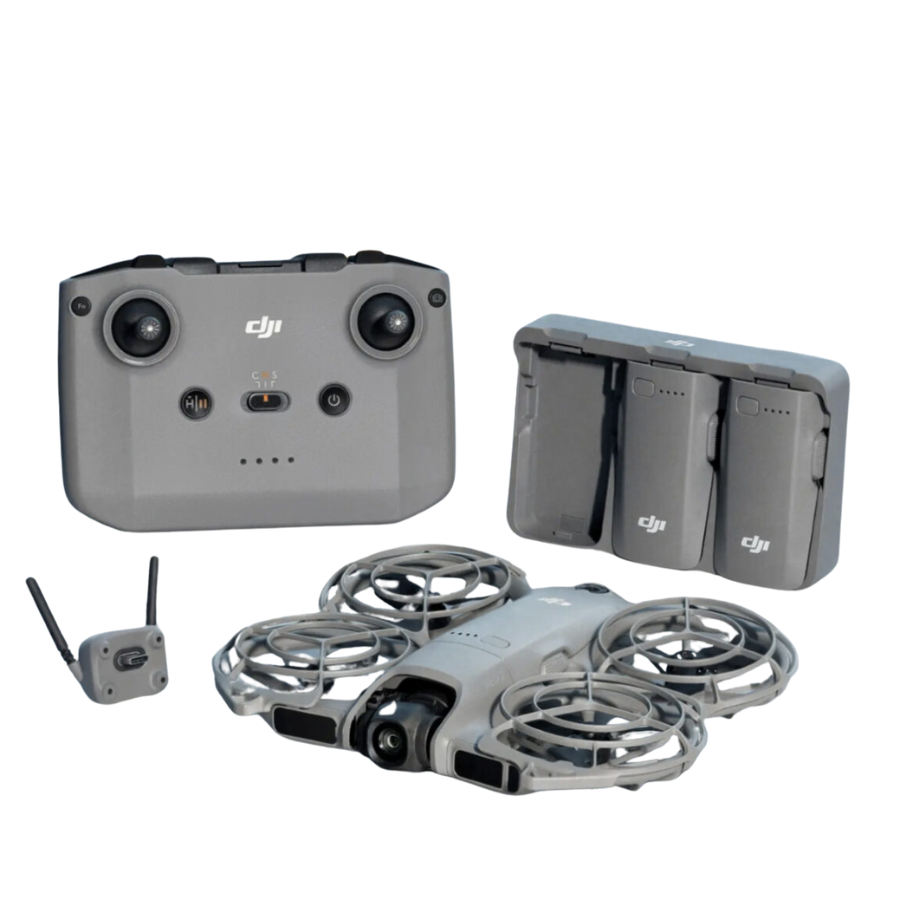


DJI Neo 2 Fly More Combo Drone Camera
- Ultra-lightweight drone (151 g) for effortless portability.
- 4K video recording at up to 60 fps, with up to 100 fps slow-motion capture.
- AI tracking with gesture & voice control.
- Omnidirectional obstacle sensing for safer flights.
- 49 GB built-in internal storage.
- Up to 19 minutes of flight time per charge.
- Designed for creators, vloggers, and beginners.
- 3 months · ₹19,997
- 6 months · ₹9,999
- 9 months · ₹6,666
Select Snapmint at checkout · Available on orders above ₹3,000 · Subject to eligibility
- Trusted dealerDirect manufacturer partnership
- Pan-India deliveryInsured shipping, all states
- Post-sale supportTraining + service included
What makes it work
DJI Neo 2 Fly More Combo Specifications
DJI Neo 2
Technical Specifications
| Takeoff Weight |
151 g (without DJI Neo 2 Digital Transceiver) 160 g (with DJI Neo 2 Digital Transceiver) The actual product weight may vary due to differences in batch materials and external factors. |
| Dimensions |
147×171×41 mm (L×W×H, with propeller guards and without DJI Neo 2 Digital Transceiver) 167×171×54 mm (L×W×H, with propeller guards and DJI Neo 2 Digital Transceiver) |
| Max Ascent Speed |
0.5 m/s (Cine mode) 3 m/s (Normal mode) 5 m/s (Sport Mode) Maximum speed measured in an open, windless environment, with the drone taking off from an altitude of 0 m and controlled via remote controller. Data are for reference only. |
| Max Descent Speed |
0.5 m/s (Cine Mode) 3 m/s (Normal Mode) 3 m/s (Sport Mode) Maximum speed measured in an open, windless environment, with the drone taking off from an altitude of 0 m and controlled via remote controller. Data are for reference only. |
| Max Horizontal Speed |
8 m/s (Normal Mode) 12 m/s (Sport Mode) 12 m/s (tracking status) Maximum speed measured in an open, windless environment, with the drone taking off from an altitude of 0 m and controlled via remote controller. Data are for reference only. |
| Max Takeoff Altitude |
2000 m Measured in a windless environment when taking off from an altitude of 2000 m and ascending vertically by 120 m, using Sport mode, and from 100% battery level until 20%. Data is for reference only. Always pay attention to reminders on the camera view during your flight. |
| Max Flight Time |
Approx. 19 minutes (approx. 17 minutes with the propeller guards)* Each battery allows the drone to perform at least 20 palm takeoff and landing for shoots in succession** * Measured when flying forward at a speed of 4 m/s in a windless environment 20 m above sea level, without DJI Neo 2 Digital Transceiver, with camera parameters set to 1080p/30fps, video mode off, and from 100% battery level until 0%. Results may vary depending on the environment, actual use, and firmware version. ** Measured after DJI Neo 2 is activated, with a fully charged battery and default settings, and using Circle, Rocket, and Dronie modes, and is for reference only. |
| Max Hovering Time |
Approx. 18 minutes (16.5 minutes with the propeller guards) Measured when hovering in a windless environment 20 m above sea level, without DJI Neo 2 Digital Transceiver, with camera parameters set to 1080p/30fps, video mode off, and from 100% battery level until 0%. Results may vary depending on the environment, actual use, and firmware version. |
| Max Flight Distance |
7 km Measured when flying forward at a speed of 9 m/s in a windless environment 20 m above sea level, without DJI Neo 2 Digital Transceiver, with camera parameters set to 1080p/30fps, video mode off, and from 100% battery level until 0%. Results may vary depending on the environment, actual use, and firmware version. |
| Max Wind Speed Resistance | 10.7 m/s (Level 5) |
| Operating Temperature | -10° to 40° C (14° to 104° F) |
| Global Navigation Satellite System | GPS + Galileo + BeiDou |
| Hovering Accuracy Range |
Vertical: ±0.1 m (with vision positioning) ±0.5 m (with satellite positioning) Horizontal: ±0.3 m (with vision positioning) ±1.5 m (with satellite positioning) |
| Internal Storage | 49 GB |
| Class | C0 (EU) |
| Image Sensor | 1/2-inch CMOS Sensor |
| Lens |
FOV: 119.8° Format Equivalent: 16.5 mm Aperture: f/2.2 Focus: 0.7 m to ∞ |
| ISO Range |
Photo 100-3200 (Single Auto) 100-12800 (Burst Auto/Timed Auto) 100-12800 (Manual) Video 100-12800 (Auto) 100-12800 (Manual) |
| Shutter Speed |
Video: 1/8000-1/30 s Photo: 1/8000-1/10 s |
| Max Image Size |
12 MP Photo 4000×3000 (4:3) 4000×2250 (16:9) |
| Still Photography Modes |
Single/Timed Shot Single Shot: 12 MP Timed Shot: 12 MP, 2/3/5/7/10/15/20/30/60 s |
| Photo Format | JPEG |
| Video Resolution |
Horizontal Shooting: 4K (4:3): 3840×2880@60/50/30fps 1080p (4:3): 1440×1080@60/50/30fps 4K (16:9): 3840×2160@100*/60/50/30fps 1080p (16:9): 1920×1080@100*/60/50/30fps Vertical Shooting: 2.7K (9:16): 1512×2688@60/50/30fps * 4K/100fps and 1080p/100fps recording are only supported when using motion control or remote control. |
| Video Format | MP4 |
| Max Video Bitrate | 80 Mbps |
| Supported File System | exFAT |
| Color Mode | Normal |
| EIS |
Supports RockSteady and turning stabilization off.* * The stabilization switch (On/Off) is only available when paired with goggles. When stabilization is turned off, footage captured supports offline stabilization with Gyroflow. |
| Stabilization | 2-axis mechanical gimbal (tilt, roll) |
| Mechanical Range |
Tilt: -125° to 105° Roll: -43° to 43° |
| Controllable Range | Tilt: -90° to 70° |
| Max Control Speed (tilt) | 100°/s |
| Angular Vibration Range | ±0.01° |
| Image Roll Correction |
Supports correction of footage recorded on the drone Live view correction is unavailable only when using with goggles |
| Sensing Type | Omnidirectional monocular vision system, paired with a downward infrared sensing system and forward-facing LiDAR |
| Forward |
Measurement Range: 0.5-10 m Detection Range: 0.5-15 m Effective Sensing Speed: Flight Speed ≤ 8 m/s |
| Backward |
Detection Range: 0.5-15 m Effective Sensing Speed: Flight Speed ≤ 8 m/s |
| Lateral |
Detection Range: 0.5-15 m Effective Sensing Speed: Flight Speed ≤ 8 m/s |
| Upward |
Detection Range: 0.5-15 m Effective Sensing Speed: Flight Speed ≤ 3 m/s |
| Downward |
Detection Range: 0.5-15 m Effective Sensing Speed: Flight Speed ≤ 3 m/s |
| Infrared Sensor |
Forward-Facing LiDAR: Measurement Range: 0.3-8 m (reflectivity > 10%) FOV: Horizontal 60°, Vertical 60° Downward-Facing Infrared Sensor: Measurement Range: 0.3-8 m (reflectivity > 10%) |
| Operating Environment |
Forward, Backward, Left, Right, and Upward: Surfaces with discernible patterns and adequate lighting (lux > 5) Downward: Surfaces with discernible patterns and adequate lighting (lux > 5), and surfaces that are diffusely reflective with a reflectivity above 20% (e.g., walls, trees, people). |
| Video Transmission System |
Standard: Wi-Fi Video Transmission Optional: DJI Neo 2 Digital Transceiver (O4) |
| Live View Quality |
With DJI RC-N3 Remote Controller: Up to 1080p/60fps With DJI Goggles N3 plus DJI RC Motion 3/DJI FPV Remote Controller 3: Up to 1080p/60fps With DJI Goggles 3 plus DJI RC Motion 3/DJI FPV Remote Controller 3: Up to 1080p/100fps |
| Operating Frequency |
2.400 GHz to 2.4835 GHz 5.170 GHz to 5.250 GHz 5.725 GHz to 5.850 GHz Operating frequency allowed varies among countries and regions. Refer to local laws and regulations for more information. |
| Transmitter Power (EIRP) |
2.4 GHz: < 26 dBm (FCC) < 20 dBm (CE/SRRC/MIC) 5.1 GHz: < 23 dBm (CE) 5.8 GHz: < 26 dBm (FCC) < 14 dBm (CE) < 26 dBm (SRRC) |
| Communication Bandwidth | Max 60 MHz |
| Max Transmission Distance (unobstructed, free of interference) |
FCC: 10 km CE: 6 km SRRC: 6 km MIC: 6 km Measured in an unobstructed outdoor environment free of interference using the remote controller or goggles and showed the farthest communication range for one-way, non-return flights under each standard. The maximum video transmission distance in the actual flight scenarios is limited by the drone's maximum flight distance. Always pay attention to RTH reminders on the live view during your flight. |
| Max Transmission Distance (unobstructed, with interference) |
Strong Interference: Urban landscape, approx. 1.5-3 km Medium Interference: Suburban landscape, approx. 3-6 km Low Interference: Suburb/Seaside, approx. 6-10 km Measured under FCC standard in unobstructed environments with typical interference, using the remote controller or goggles. Used for reference purposes only and provides no guarantee for actual transmission distance. |
| Max Transmission Distance (obstructed, with interference) |
Low Interference and Obstructed by Buildings: Approx. 0-0.5 km Low Interference and Obstructed by Trees: Approx. 0.5-3 km Measured under FCC standard in obstructed environments with typical low interference, using the remote controller or goggles. Used for reference purposes only and provides no guarantee for actual transmission distance. |
| Max Download Speed |
Wi-Fi: 80 MB/s Measured in a laboratory environment with little interference in countries/regions that support both 2.4 GHz and 5.8 GHz. Download speeds may vary depending on the actual conditions. |
| Lowest Latency |
With DJI RC-N3 Remote Controller or DJI RC 2 Remote Controller: Approx. 120 ms With DJI Goggles N3 (1080p/60fps Video Transmission): Lowest latency at 54 ms With DJI Goggles 3 (1080p/100fps Video Transmission): Lowest latency at 50 ms Latency data refers to the minimum delay during goggles screen refresh, measured in an open, interference-free environment. Actual performance may vary with shooting conditions and mobile device. |
| Max Video Bitrate | 60 Mbps |
| Antenna | 2 antennas, 1T2R |
| Protocol | 802.11a/b/g/n/ac/ax |
| Operating Frequency |
2.400 GHz to 2.4835 GHz 5.725 GHz to 5.850 GHz Operating frequency allowed varies among countries and regions. Refer to local laws and regulations for more information. |
| Transmitter Power (EIRP) |
2.4 GHz: < 20 dBm (FCC/CE/SRRC/MIC) 5.8 GHz: < 26 dBm (FCC/SRRC) < 14 dBm (CE) |
| Effective Operating Range |
500 m Measured in an open outdoor environment free of interference. Actual video transmission distance may vary depending on the operating environment and mobile device performance. Refer to the actual experience. |
| Protocol | Bluetooth 5.2 |
| Operating Frequency |
2.400 GHz to 2.4835 GHz Operating frequency allowed varies among countries and regions. Refer to local laws and regulations for more information. |
| Transmitter Power (EIRP) | < 10 dBm |
| Capacity | 1606 mAh |
| Weight | 46 g |
| Nominal Voltage | 7.16 V |
| Max Charging Voltage | 8.6 V |
| Battery Type | Li-ion |
| Chemical System | LiNiMnCoO2 |
| Energy | 11.5 Wh |
| Charging Temperature | 5° to 40° C (41° to 104° F) |
| Charging Time |
When Using the Two-Way Charging Hub (65W max charging power): Approx. 68 minutes to charge three batteries simultaneously from 0% to 100% When Directly Charging the Aircraft Body (15W max charging power): Approx. 70 minutes to charge from 0% to 100% Charging time is measured in a test environment with a temperature of 25° C (77° F). Actual charging time may increase due to higher ambient temperatures or variations in mains voltage between regions. |
| Recommended Charger |
DJI 65W Portable Charger USB Power Delivery chargers |
| Input |
5 V, max 5 A 9 V, max 5 A 12 V, max 5 A 15 V, max 4.33 A 20 V, max 3.25 A Max current depends on adapter capability. |
| Output (charging) | 5 V, 2 A |
| Charging Method |
3 batteries charged simultaneously The number of batteries that can be charged simultaneously depends on the power of the charger used. Using a charger rated above 45 W allows you to charge three batteries at the same time. Using a charger rated between 30 W and 45 W allows you to charge only two batteries simultaneously. Using a charger below 30 W will charge the batteries sequentially, from the highest remaining charge to the lowest. Refer to the charging protocols supported by the charger. |
| Compatibility | DJI Neo 2 Intelligent Flight Battery |
| Recommended microSD Cards | Does not support storage expansion with an external SD card |
| Max Operating Time |
Without charging any mobile device: 3.5 hours When charging a mobile device: 1.5 hours |
| Operating Temperature | -10° to 40° C (14° to 104° F) |
| Charging Temperature | 5° to 40° C (41° to 104° F) |
| Charging Time | 2 hours |
| Charging Method | 5 V, 2 A |
| Battery Capacity | 2600 mAh |
| Weight | Approx. 320 g |
| Dimensions | 104.2×150×45.2 mm (L×W×H) |
| Operating Frequency |
2.400 GHz to 2.4835 GHz 5.170 GHz to 5.250 GHz 5.725 GHz to 5.850 GHz Operating frequency allowed varies among countries and regions. Refer to local laws and regulations for more information. |
| Transmitter Power (EIRP) |
2.4 GHz: < 33 dBm (FCC) < 20 dBm (CE/SRRC/MIC) 5.1 GHz: < 23 dBm (CE) 5.8 GHz: < 33 dBm (FCC) < 14 dBm (CE) < 30 dBm (SRRC) |
DJI Neo 2 Fly More Combo: Elevate Your Vision in Cinematic 4K
The all-new DJI Neo 2 is set to redefine compact drone filmmaking with its rumored 1/2″ CMOS sensor, delivering ultra-detailed, vibrant images and exceptional low-light performance. Designed for content creators, vloggers, and travelers, this next-generation drone reportedly supports 4K HDR video at 60fps, ensuring every frame bursts with clarity and dynamic color.
With enhanced stabilization and intelligent shooting modes, the DJI Neo 2 makes capturing cinematic footage effortless — whether you’re soaring over landscapes or filming on the move. Blending professional-grade video quality with easy, intuitive controls, the DJI Neo 2 could be your perfect partner for stunning aerial storytelling.
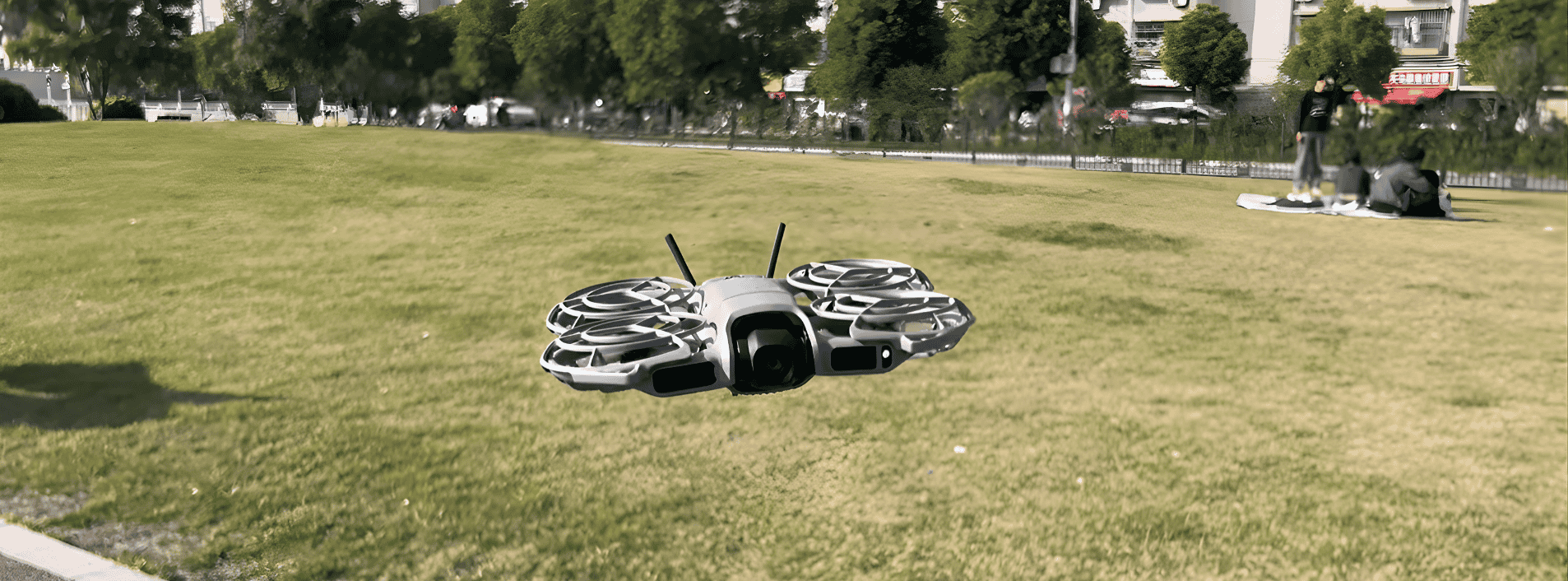
Gesture-Controlled Flight with Palm Takeoff and Landing
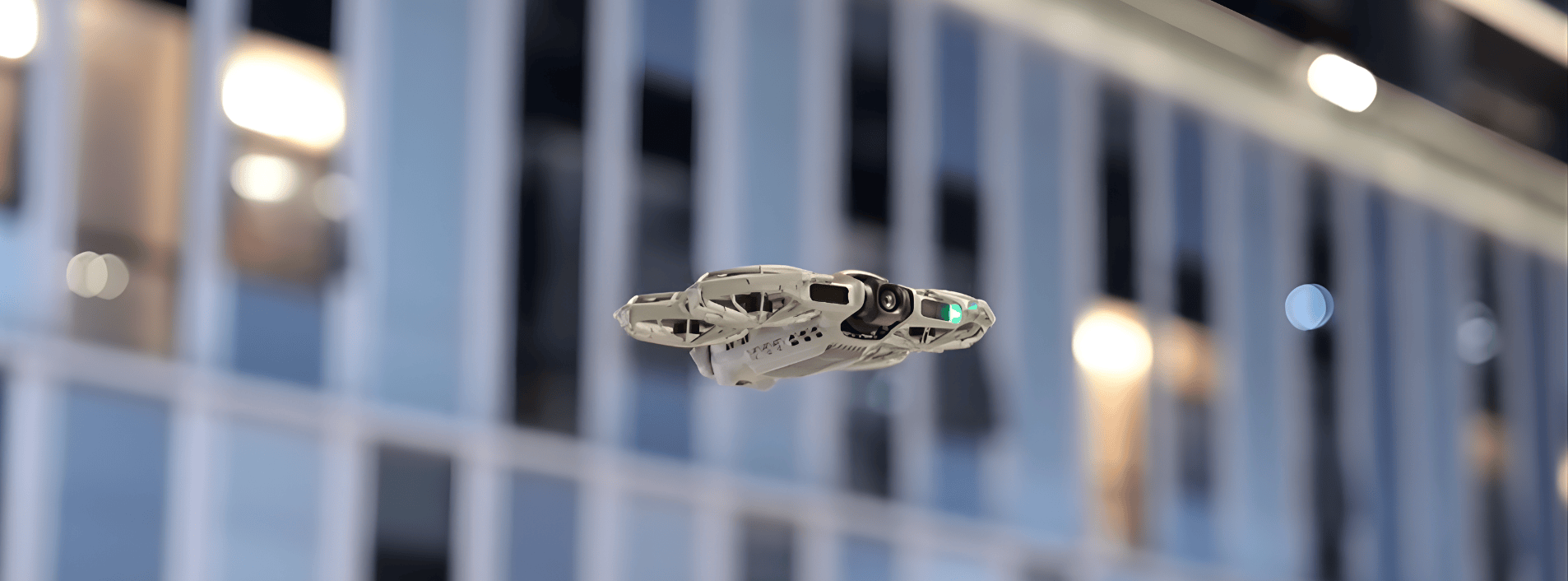
Faster, Smoother Subject Tracking with ActiveTrack
Palm-based Takeoff and Landing, Gesture-Controlled Operation
Faster, Smoother Subject Tracking with ActiveTrack
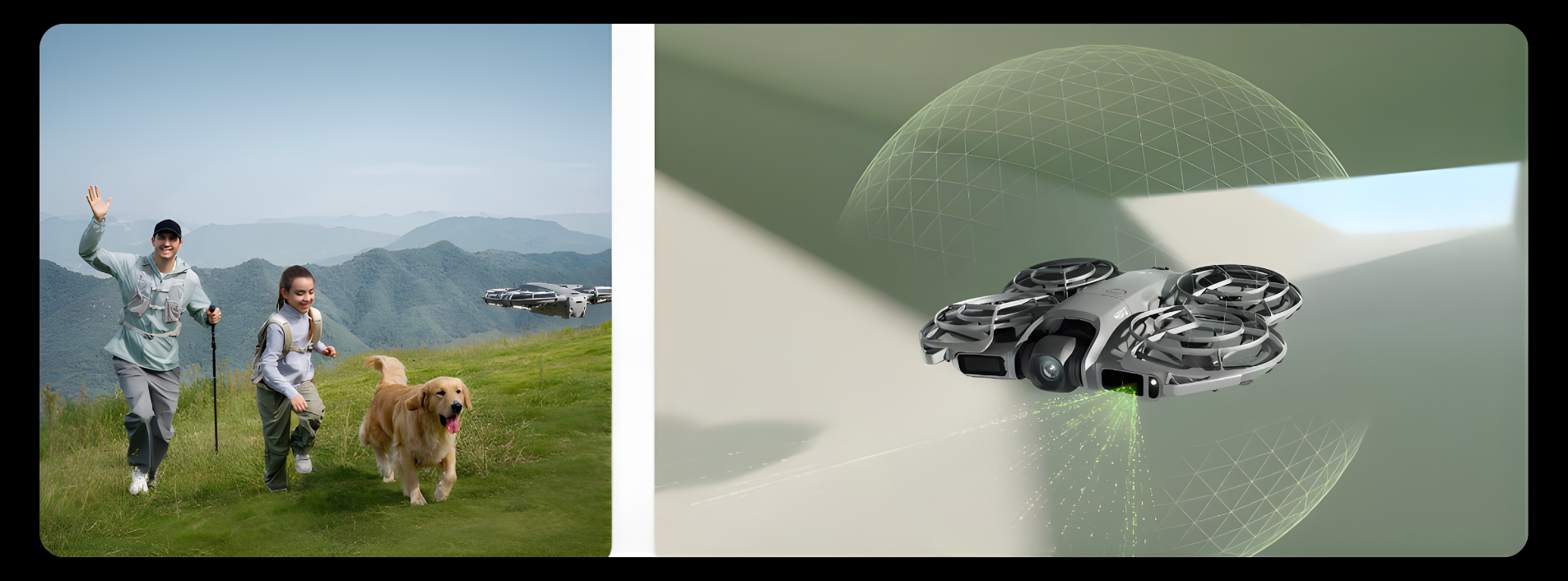
Ultra-Clear 4K Image Capture
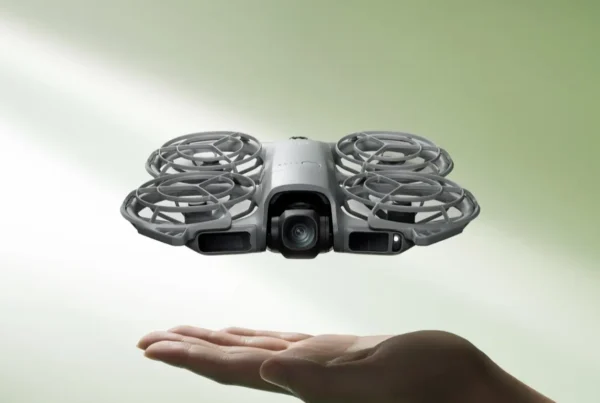
Lightweight and Travel-Friendly, Equipped with Complete Propeller Guards
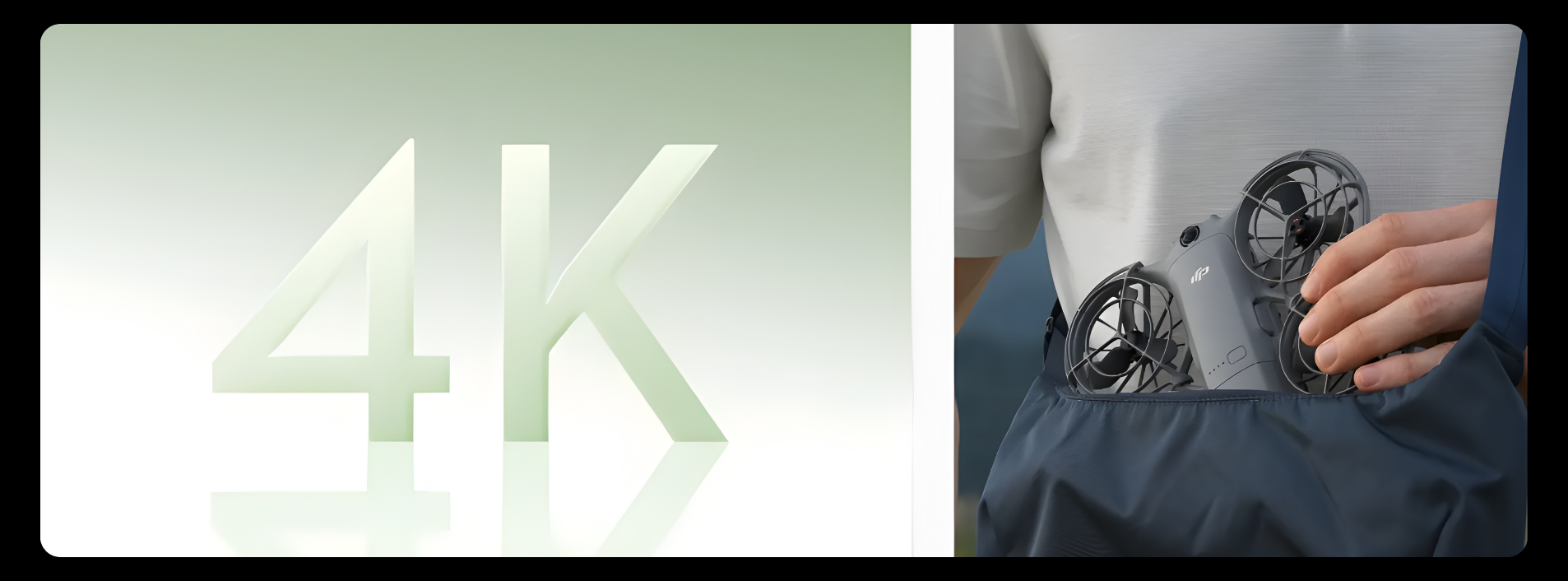
Meet the DJI Neo 2
Some moments deserve to be captured—not missed. The DJI Neo 2 makes that effortless. It fits in your palm, responds to your voice, follows your movements, and records life exactly as it happens.
You don’t need flying experience to use it. Raise your hand and it lifts off. From that moment, it stays with you.
Run, ride, hike, picnic, or celebrate—Neo 2 keeps up. It shoots real 4K video with smooth, reliable tracking and safe, stable flight performance. These are features designed for everyday users, not just drone experts.
It’s ultra-light to carry, safe for indoor flights, steady in outdoor wind, and ready for quick takeoff whenever inspiration strikes.
A small drone that feels genuinely personal—built to help you capture your world with confidence.
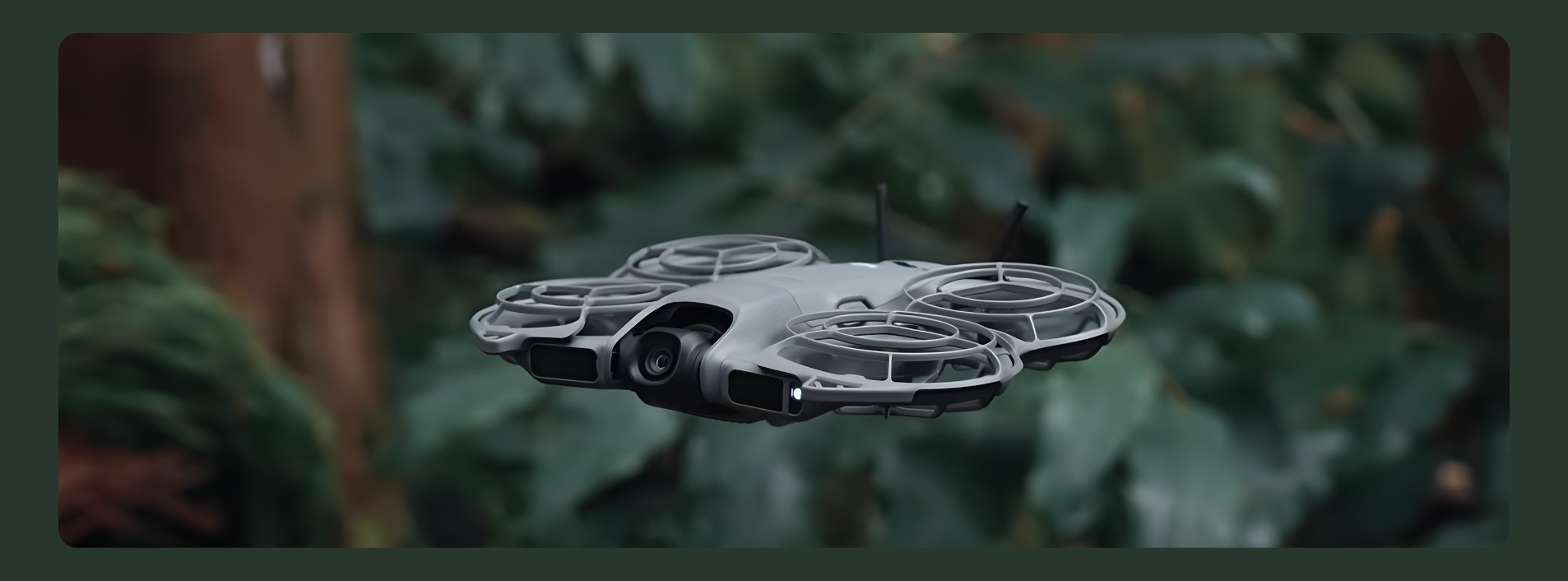
Why People Like the Neo 2
- Smart & Safe Tracking
-
-
It has very good ActiveTrack: can follow people (or bikes) at speeds up to 12 m/s.
-
The drone can track in eight directions (forward, backward, diagonals), so shots feel more natural.
-
Obstacle avoidance is much stronger: with omnidirectional sensing (vision + LiDAR + downward IR), it’s safer for automated flight.
-
-
Very Intuitive Control
-
Gesture control: you can use your hands (palm up or two palms) to move it around — great for solo shooting.
-
Voice control: you can give flying commands via your phone or Bluetooth headphones.
-
Palm take-off and Return-to-Palm landing: super easy launch and land right from your hand.
-
-
High-Quality Imaging
-
It has a 12 MP, 1/2-inch CMOS sensor with f/2.2 aperture, meaning decent low-light performance and image clarity.
-
Video: shoots 4K at up to 100 fps — good for smooth slow motion.
-
Stabilization: uses a 2-axis gimbal + digital stabilization (RockSteady) to make footage more stable.
-
-
Beginner-Friendly & Flexible
-
Even people who’ve never flown a drone say it’s really easy to use.
-
SelfieShot mode: it can automatically frame a person (or group) in different ways — waist-up, full body, or wide — without needing a tripod.
-
Intelligent flight modes: Dolly Zoom, QuickShots, MasterShots, etc., let you make cinematic shots easily.
-
-
Reliable Build + Safety
-
Comes with full propeller guards, which give peace of mind, especially for beginners.
-
Better wind resistance: Neo 2 can handle stronger breeze (level 5) compared to earlier pocket drones.
-
Return-to-palm** and advanced obstacle sensing make flying less stressful.
-
Storage and Flight Time
-
It has 49 GB internal storage, so you don’t need an SD card right away.
-
Flight time is decent: about 19 minutes per battery.
-
Easy to transfer footage: Wi-Fi transfer to your phone is pretty fast.
-
-
Portable & Fun
-
Weighs only ~151g, so it’s super compact and travel-friendly.
-
Because it’s light and has smart control (gestures, voice), many users feel it’s more like a playful gadget than a “serious drone” — making it fun, not intimidating.
-
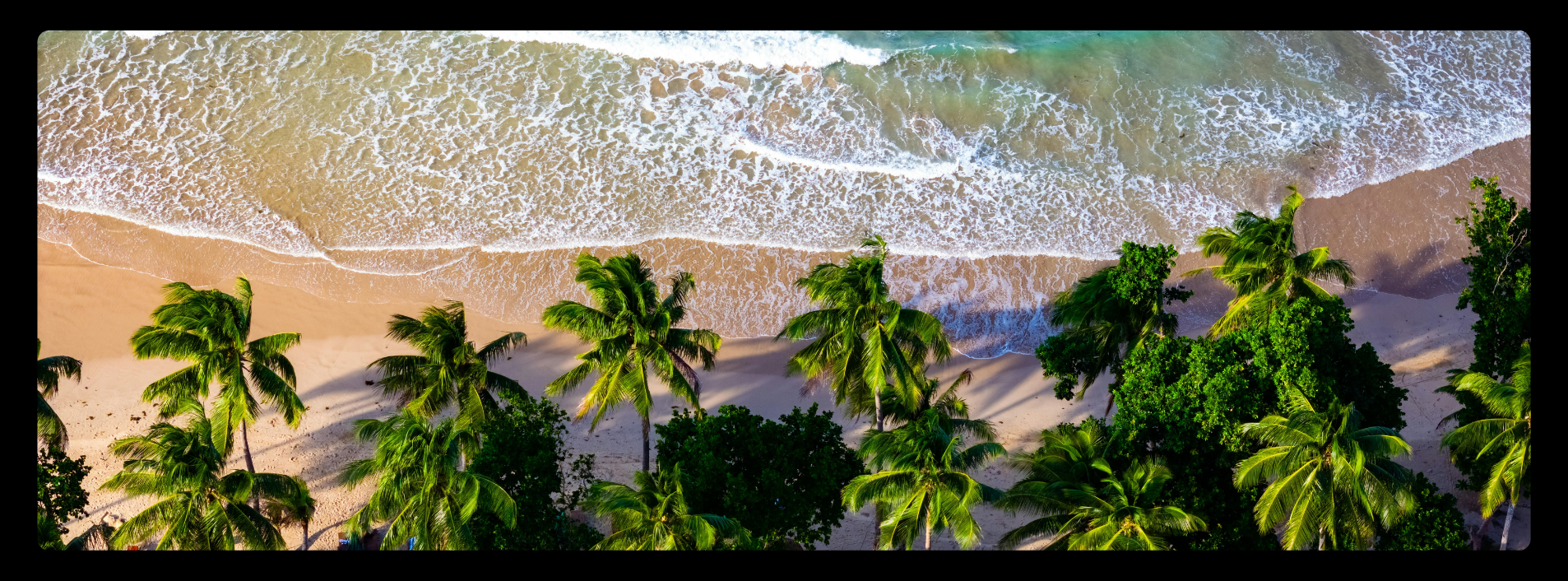
Bottom Line — Why People Like It
It makes drone flying accessible for beginners and non-pilots.
It’s highly portable, which means you can carry it around easily and use it on the go.
Its smart tracking + obstacle sensing gives confidence while filming activities.
The camera is powerful enough for most creators — 4K video, stabilized, and creative shooting modes.
The controls (gesture + voice) are fun and intuitive, not just technical.
In the Box
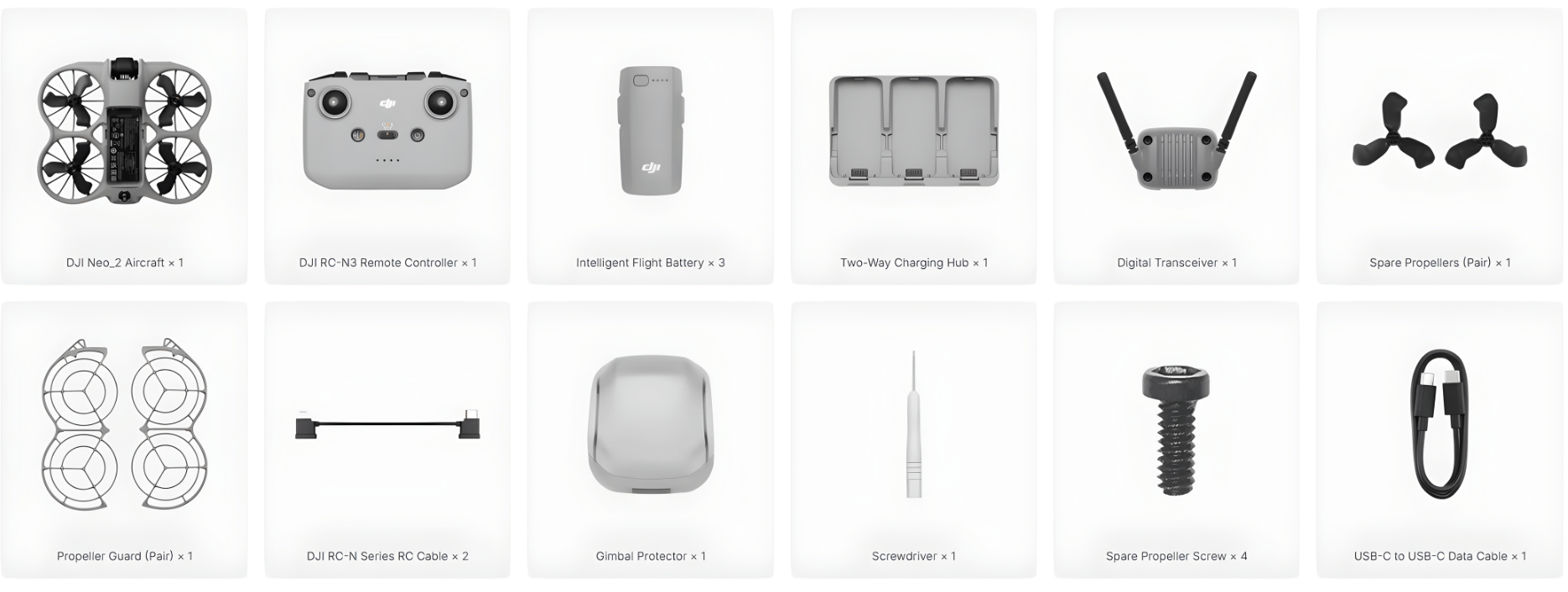
DJI Neo 2 Fly More Combo Frequently Asked Questions (FAQs)
1. What is included in the DJI Neo 2 Fly More Combo?
The Fly More Combo includes the DJI Neo 2 drone, multiple intelligent flight batteries, a charging hub, spare propellers, and essential accessories for extended shooting sessions.
2. What camera quality does the DJI Neo 2 offer?
It features a 4K camera capable of smooth video recording (up to 60fps), delivering stabilized footage suitable for social media and casual filmmaking.
3. What is the flight time of the DJI Neo 2?
The drone offers up to approximately 18–19 minutes of flight time per battery, depending on conditions and usage.
4. Is the DJI Neo 2 beginner-friendly?
Yes, it is designed for beginners with features like palm takeoff, gesture control, and automated flight modes, making it easy to operate without prior experience.
5. Does the DJI Neo 2 support AI tracking?
Yes, it includes ActiveTrack and intelligent subject tracking, allowing the drone to automatically follow subjects for dynamic shots.
6. Does it have obstacle avoidance?
The drone features omnidirectional obstacle sensing, improving safety during flight and reducing collision risks.
7. Can the DJI Neo 2 be flown without a controller?
Yes, it supports multiple control options including smartphone control, gesture control, and optional remote controllers.
8. Is the DJI Neo 2 portable?
Yes, it is ultra-lightweight (under 250g in most variants) and compact, making it ideal for travel and everyday use.
9. What makes the Fly More Combo better than the standard version?
The Fly More Combo provides additional batteries and accessories, enabling longer flight sessions and more flexibility for content creation.
10. Does the DJI Neo 2 support slow-motion video?
Yes, it supports high frame rate recording (up to 120fps in certain modes), allowing smooth slow-motion footage.
11. What are the key use cases of the DJI Neo 2?
It is ideal for vlogging, travel videos, social media content, casual aerial photography, and beginner drone flying.
12. Does it support FPV or immersive flying?
Yes, certain bundles support FPV accessories like goggles and motion controllers for a more immersive flying experience.
13. Is the DJI Neo 2 good for social media creators?
Yes, with AI tracking, QuickShots, and easy controls, it is optimized for creating engaging short-form content effortlessly.
14. Does it have return-to-home or safety features?
Yes, it includes smart safety features such as automatic landing, low-battery alerts, and stable flight assistance for safer operation.
The full sheet
Related products
-
·XBM·00
-
·AIR·01
Featured
-
·XBM·02
-
·XBM·03
Out of stock
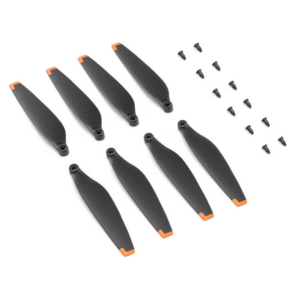
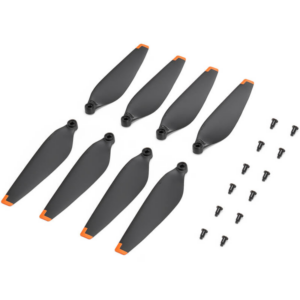 Propellers for DJI Mini 3Original price was: ₹3,389.₹2,881Current price is: ₹2,881. (Excl. GST)Notify me

There are no reviews yet.