
DJI Dock 3 Introduction
The demand for real-time monitoring, rapid response, and operational efficiency is at an all-time high. Traditional surveillance systems—fixed cameras and manual drone operations—are no longer sufficient for modern industries.
Enter DJI Dock 3, a next-generation autonomous drone docking system designed to enable fully automated aerial operations. From infrastructure inspections to smart city surveillance, this technology is redefining how organizations operate.
In this comprehensive guide, we’ll explore everything you need to know about DJI Dock 3, including its features, benefits, use cases, and why it’s a game-changer for the future.
What is DJI Dock 3?
DJI Dock 3 is a drone docking station for enterprise use that automates the entire drone lifecycle:
- Takeoff
- Mission execution
- Landing
- Battery charging
- Data transmission
The use of this technology eliminates the need for on-site pilots and enables 24/7 continuous drone operations with minimal human intervention.
How DJI Dock 3 Works
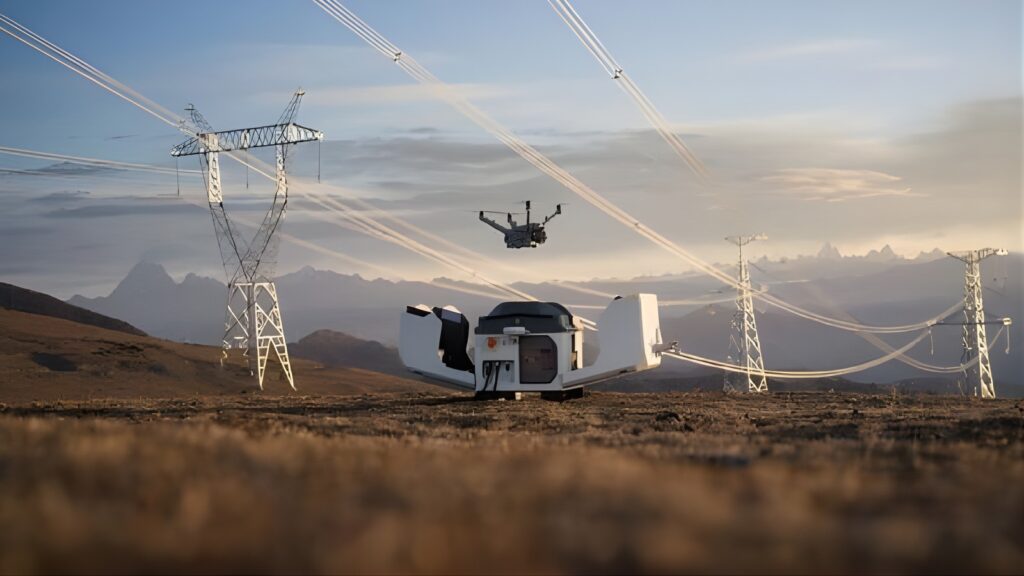
The DJI Dock 3 functions as a centralized command and control hub for drones. Here’s how the system operates:
- Mission Planning: Operators schedule or trigger missions remotely
- Automated Deployment: Drone launches automatically from the dock
- Data Capture: Collects high-resolution aerial data in real-time
- Return & Recharge: Drone returns to the dock and recharges autonomously
- Continuous Operation: Ready for the next mission without downtime
This closed-loop system ensures efficiency, consistency, and reliability.
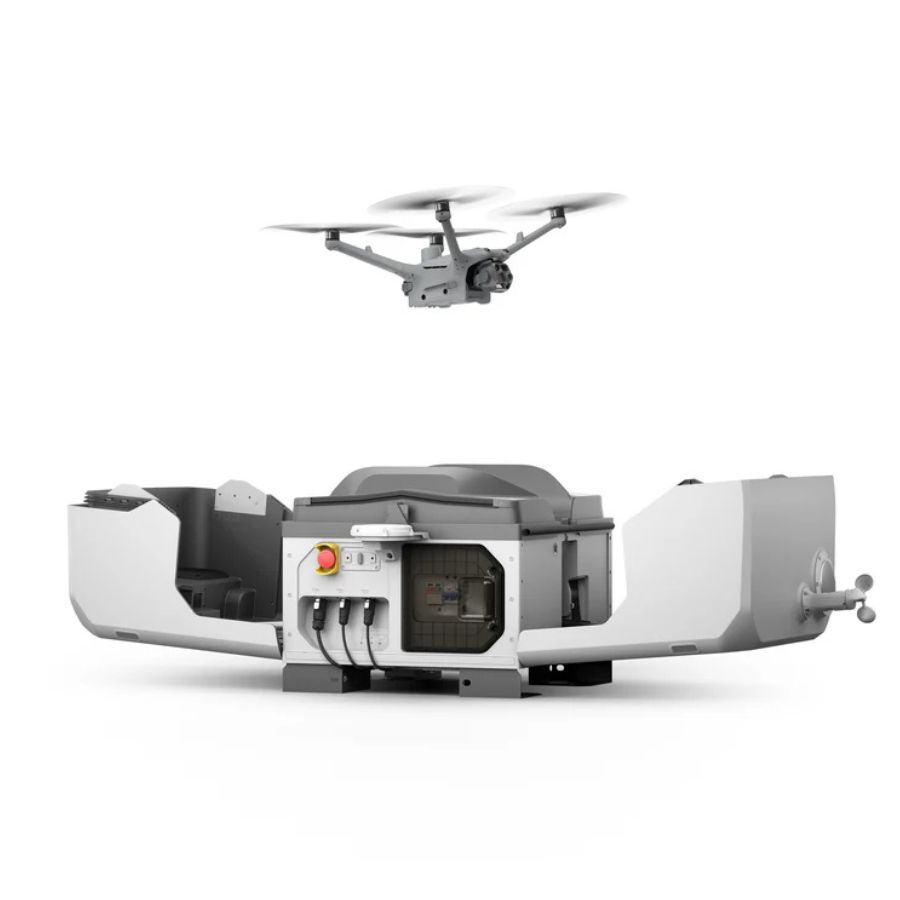
Key Features of DJI Dock 3
1. Fully Autonomous Operations
Operate drones without manual intervention, reducing human dependency and errors.
2. 24/7 Continuous Monitoring
Ensure round-the-clock surveillance with automated mission cycles.
3. Rapid Deployment Capability
Launch drones within seconds for emergency or time-sensitive tasks.
4. Remote Fleet Management
Manage multiple docks and drones from a centralized remote location.
5. Real-Time Data Transmission
Access live aerial feeds and analytics for faster decision-making.
6. All-Weather Performance
Designed to function in challenging environmental conditions.
7. Scalable Infrastructure
Easily expand operations across multiple sites and industries.
Top Use Cases of DJI Dock 3
1. Infrastructure & Utility Inspection
Monitor power lines, pipelines, and telecom towers with precision and safety.
2. Smart City Surveillance
Enhance urban security with intelligent aerial monitoring and rapid response.
3. Construction & Mining
Track site progress, improve safety compliance, and reduce risks.
4. Industrial Security
Achieve 24/7 perimeter monitoring without human fatigue.
5. Disaster Management & Emergency Response
Deploy drones instantly during emergencies for real-time situational awareness.
Benefits of Using DJI Dock 3
Reduced Operational Costs
Eliminates the need for continuous human involvement and manual drone deployment.
Increased Efficiency
Automated workflows ensure faster and more accurate operations.
Enhanced Safety
Minimize human exposure to hazardous environments.
Real-Time Decision Making
Access actionable insights instantly through live data feeds.
Scalable Operations
Expand drone networks across locations without increasing complexity.
DJI Dock 3 vs Traditional Drone Operations
| Feature | DJI Dock 3 | Traditional Drones |
|---|---|---|
| Automation | Fully Autonomous | Manual |
| Operation Time | 24/7 | Limited |
| Deployment Speed | Instant | Delayed |
| Human Dependency | Minimal | High |
| Scalability | High | Limited |
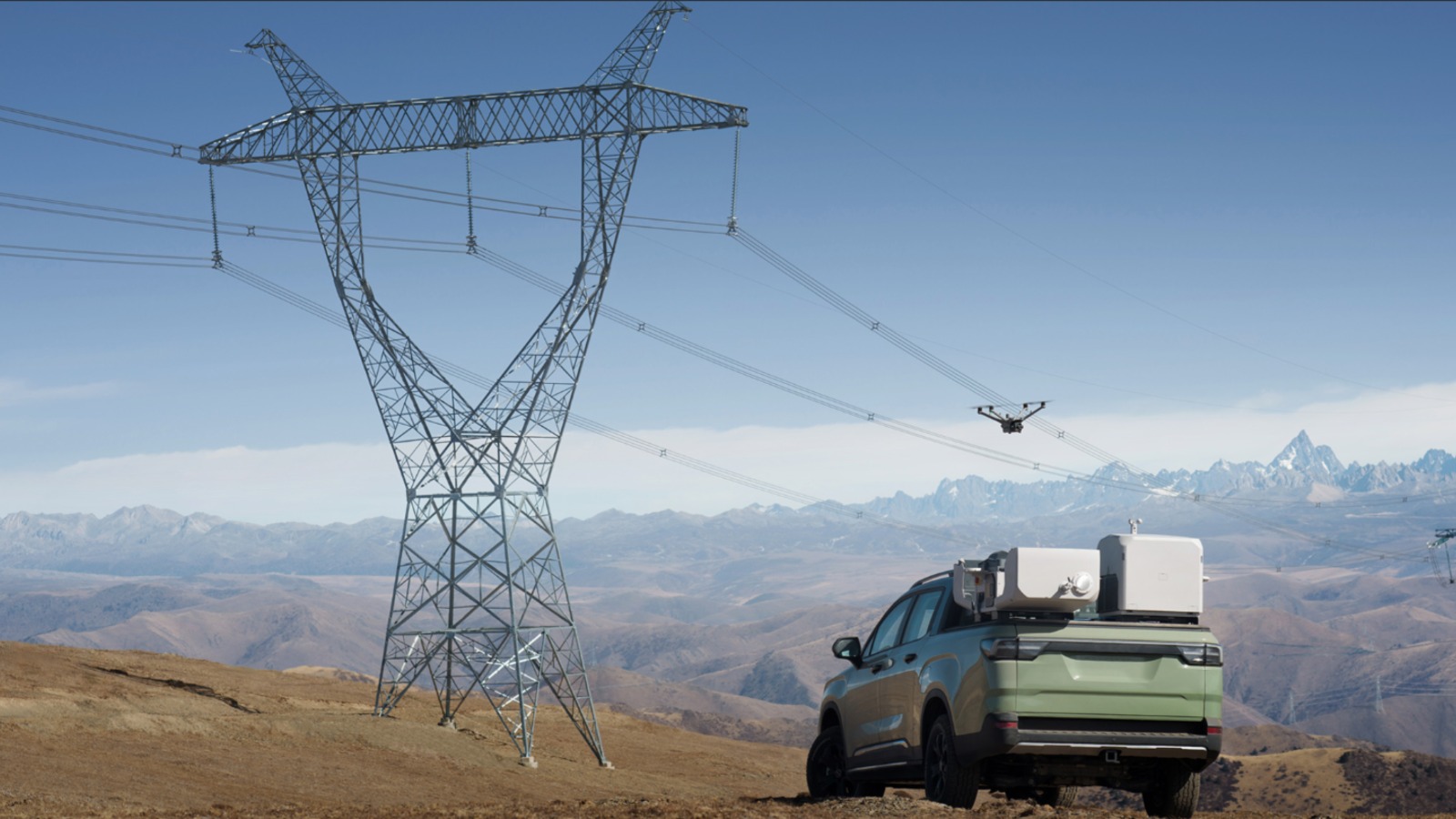
Why DJI Dock 3 is Future-Ready
As industries adopt AI, IoT, and automation, the need for intelligent aerial systems is growing rapidly.
DJI Dock 3 integrates seamlessly into the following:
- Smart infrastructure ecosystems
- AI-powered analytics platforms
- Remote monitoring systems
This technology makes it a future-proof investment for businesses aiming to stay competitive.
Frequently Asked Questions (FAQs)
What is DJI Dock 3 used for?
DJI Dock 3 is used for autonomous drone deployment, surveillance, inspection, and real-time monitoring across industries.
How does DJI Dock 3 improve operational efficiency?
It automates drone missions, reducing manual effort and enabling continuous monitoring, which improves speed and accuracy.
Can the DJI Dock 3 operate 24/7?
Yes, it is designed for continuous operation with automated charging and mission scheduling.
Is DJI Dock 3 suitable for industrial applications?
Absolutely. It is widely used in infrastructure inspection, construction, security, and smart city projects.
Does DJI Dock 3 require human intervention?
Minimal intervention is required. Most operations are automated, with remote monitoring for control and oversight.
What are the main advantages of DJI Dock 3 over traditional drones?
It offers automation, faster deployment, continuous operation, and reduced operational costs.
Can the DJI Dock 3 work in harsh weather conditions?
Yes, it is built for reliable performance in challenging environments.
Is DJI Dock 3 scalable for large operations?
Yes, multiple docks can be deployed and managed remotely, making it highly scalable.
Conclusion
DJI Dock 3 is not just a product—it’s a transformation in how aerial operations are conducted.
With its ability to deliver autonomous, efficient, and scalable drone solutions, it is setting a new standard for industries worldwide.
For businesses that depend on real-time data, rapid response, and operational efficiency, adopting DJI Dock 3 represents a strategic move toward the future.